Enzyme Supplier for Poultry Meat Tenderizing | FibreYield
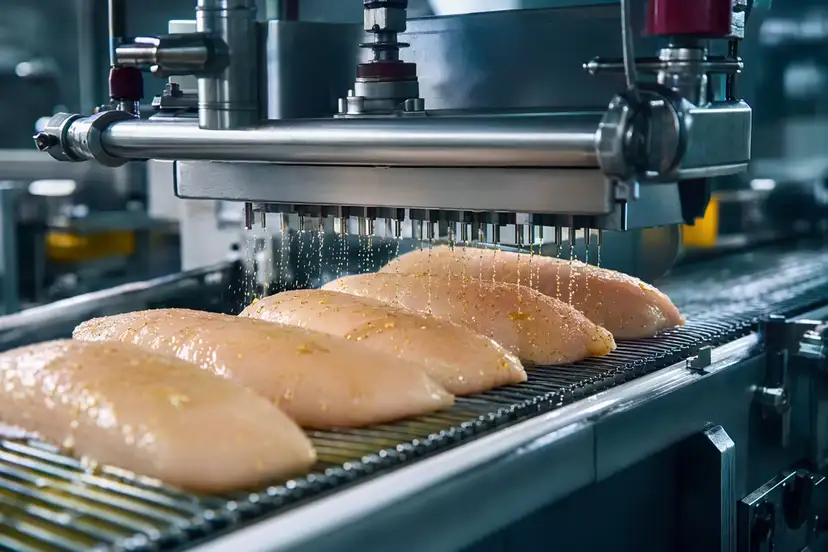
FibreYield supplies papain, bromelain, and targeted protease solutions for poultry further-processing plants developing repeatable marinated chicken tenderness programs.
Request pricing FibreYield supplies papain, bromelain, and targeted protease solutions for poultry further-processing plants developing repeatable marinated chicken tenderness programs.
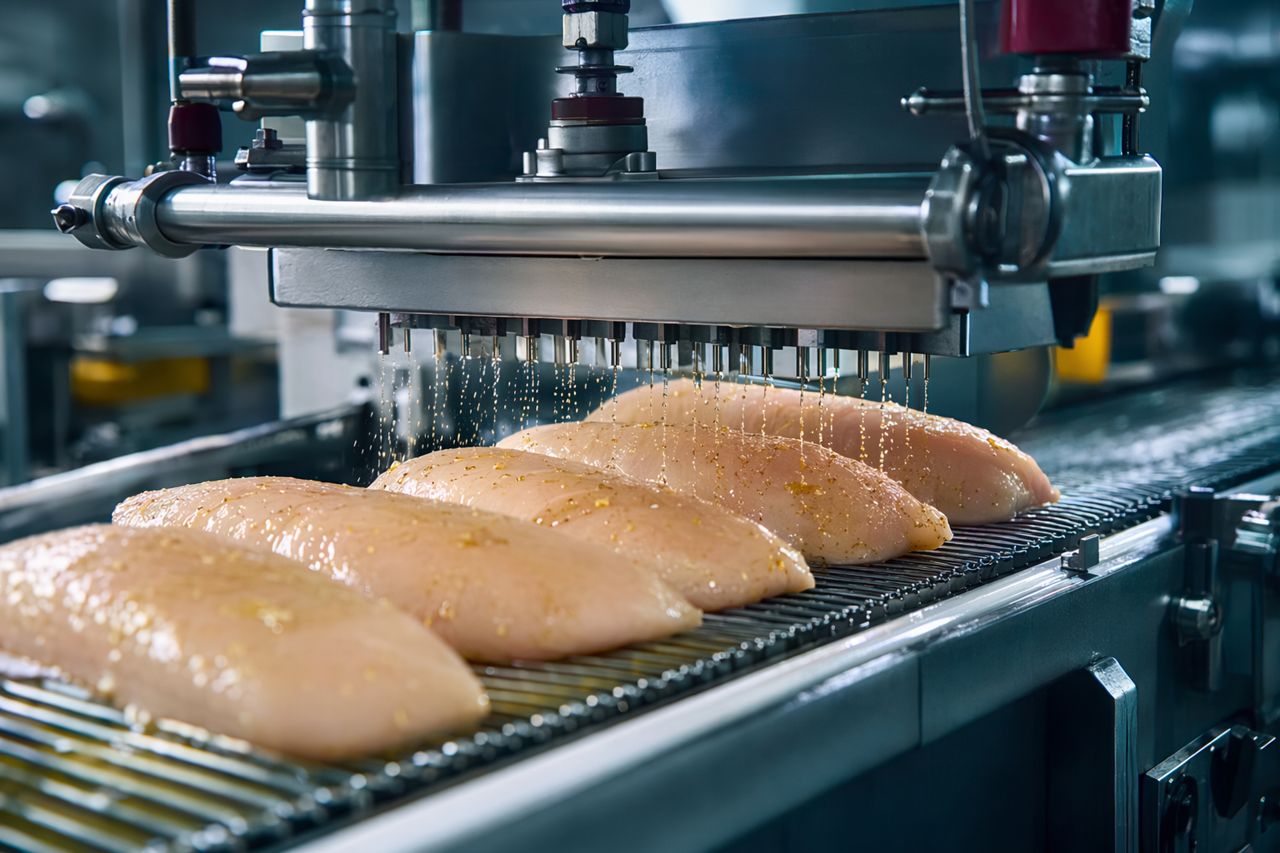
Request pricingFibreYield supports poultry further-processing plants that need controlled tenderness improvement without losing bite, yield discipline, or batch repeatability. If your R&D team is comparing papain, bromelain, or other protease options for injected, marinated, tumbled, or portioned chicken, we help you move from bench screening to validated plant trials with a practical process path.
As an enzyme supplier for poultry meat tenderizing, FibreYield focuses on application fit: raw material variability, marinade design, dwell time, temperature control, tumble profile, cook performance, texture targets, and label requirements. The goal is not simply a softer product. The goal is a poultry texture profile your customers can specify, your operators can run, and your QA team can verify.
Poultry tenderness projects usually start with a clear commercial need:
FibreYield helps R&D and process teams define the right enzyme approach before plant time is committed.
Different proteases behave differently in poultry muscle systems. FibreYield helps you compare options based on the finished-product target, not just ingredient name.
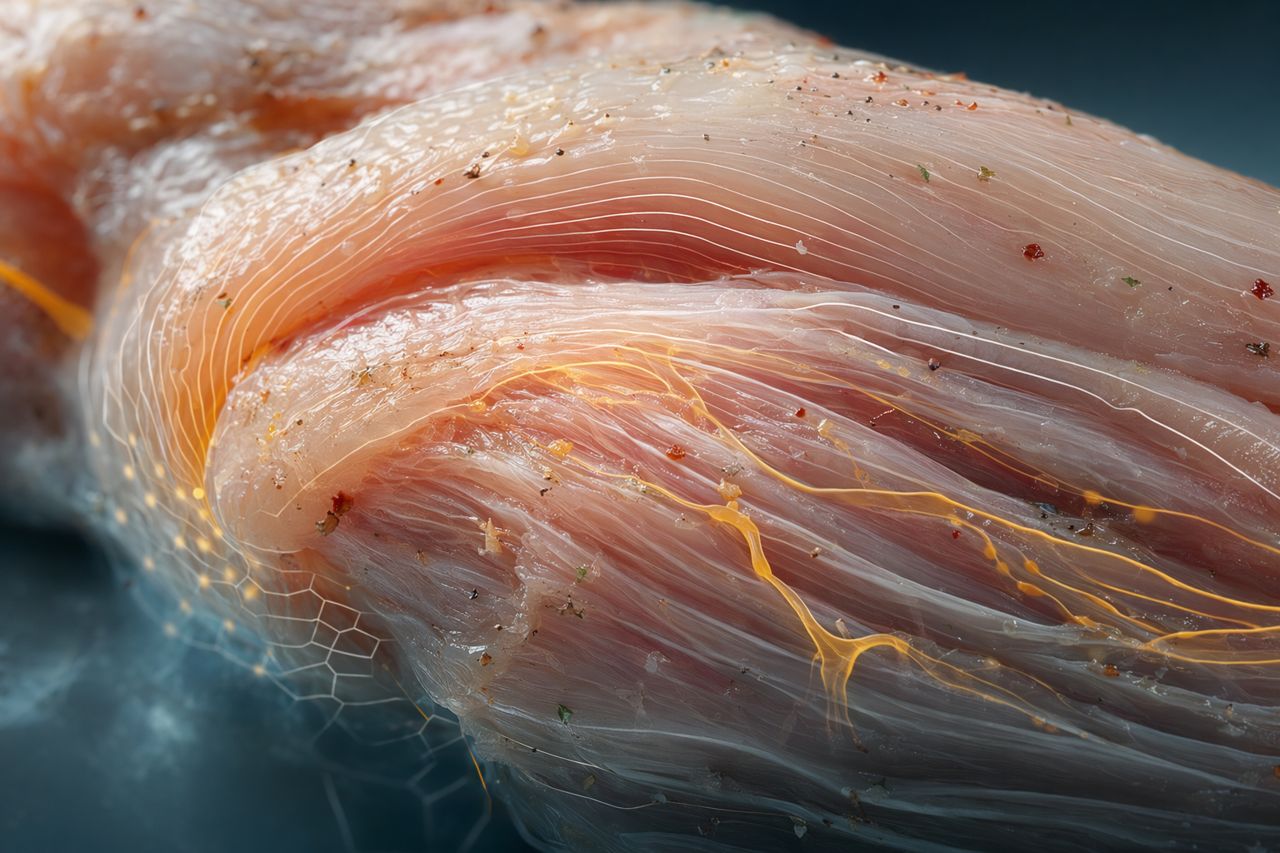
Papain is often considered when a stronger tenderizing effect is needed. In poultry applications, the key is control. Over-treatment can move texture from tender to soft or pasty, especially in thin portions, small dice, or products with long refrigerated hold times. FibreYield helps define use conditions that support tenderness while maintaining structure.
Bromelain can be useful where a moderated tenderizing profile is preferred. It may fit marinated chicken concepts where the product needs improved bite but still needs intact muscle definition, good chew, and predictable cook behavior.
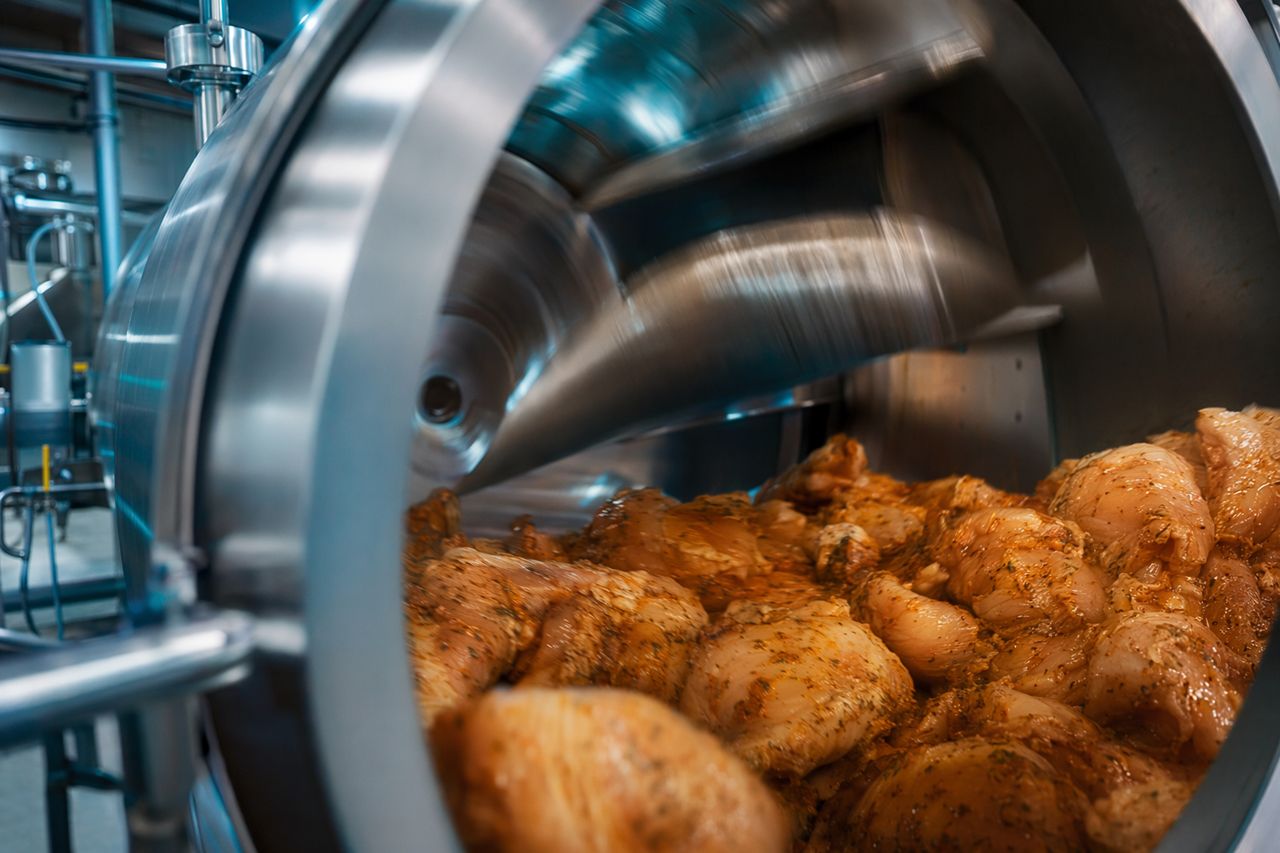
A tailored protease system can be a better fit than a single enzyme when raw material, process time, temperature, and product format create a narrow operating window. FibreYield can support blend selection for specific tenderness targets, including injected whole-muscle items, tumbled strips, diced chicken, formed products, and ready-to-cook marinated lines.
A poultry tenderizing enzyme is only reliable when it fits the plant process. FibreYield evaluates enzyme selection against the actual manufacturing route:
This plant-aware approach reduces trial noise and helps your team identify a robust operating range.
Tenderness improvement needs to be measurable and repeatable. FibreYield can support your internal trial plan around:
We do not treat enzyme selection as a one-sample decision. We help structure the screening ladder so your team can compare enzyme type, addition point, contact time, marinade chemistry, and thermal stop conditions in a controlled way.
For breast fillets and portioned whole-muscle products, the main challenge is balancing tenderness with muscle integrity. FibreYield helps screen enzyme systems that can reduce tough bite while avoiding surface breakdown, excessive softening, or weak slicing performance.
Strips and diced formats have more exposed surface area, so enzyme effect can develop faster and less uniformly. We help tune process conditions to improve bite without creating fragile pieces or excessive fines through conveying, cooking, or packaging.
Tenderness perception changes after cooking, chilling, freezing, and reheating. FibreYield supports enzyme selection with the final eating occasion in mind, including microwave, oven, foodservice holding, or meal-kit preparation.
When phosphate is reduced or removed, protein functionality and water management can change. FibreYield can help assess how tenderizing enzymes interact with alternative functional systems so the final product remains tender, cohesive, and commercially stable.
If you are developing a marinated chicken tenderness program, FibreYield can recommend enzyme options and trial quantities based on your product format and process route.
Use the on-site request a quote form and include your poultry cut, marinade method, processing temperature range, dwell time, cook step, and finished tenderness goal. Our technical team will respond with a practical recommendation for evaluation.
Tell us your application and volume — we reply with pricing and lead time.